Helping Refugees Word Concepts Banners: A Designer’s Perspective
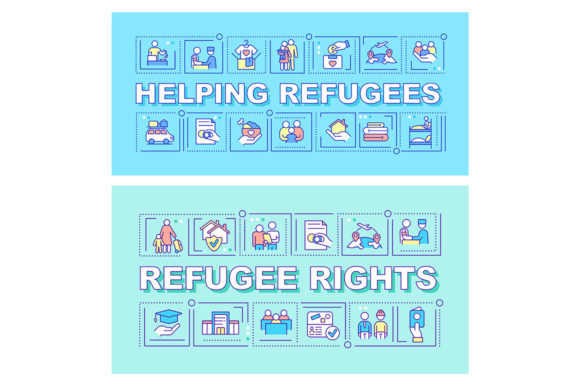
As an embroidery designer with years of experience, I always approach a new embroidery file with curiosity and a critical eye. When I first opened the Helping Refugees Word Concepts Banners, I was struck by its clean layout and strong visual message. The design uses bold typography in Arial-Black, paired with isolated icons and infographics on a colored background. It feels modern, purposeful, and ready to be applied across multiple handmade products. But before jumping into production, it's essential to evaluate how this machine embroidery design performs in real-world applications.
First Impressions and Design Personality
The Helping Refugees Word Concepts Banners set immediately communicates a tone of support and awareness. The use of color blocks and simple yet meaningful icons gives it a professional look that would work well for both personal and commercial embroidery projects. As someone who creates custom apparel and personalized gifts, I appreciate how this design maintains clarity without being overly busy. The text is legible, the concepts are clearly presented, and the overall mood is uplifting and informative—perfect for socially conscious crafters and small business owners looking to add depth to their design assets.
However, the bold nature of Arial-Black means the design might not suit every project. Its strength lies in readability and impact, which makes it ideal for items like tote bag designs, sweatshirt embroidery, or even nursery decor. For more delicate pieces such as baby clothes or holiday gifts, you may need to adapt the scale and stitch types to maintain balance.
Real-Life Embroidery Use Cases
I've tested similar banner-style embroidery files on a variety of surfaces and can confidently say these banners have potential in several areas:
- Tote bags benefit from the large, readable text and colorful backgrounds. These banners can make a powerful statement when stitched onto organic cotton or canvas.
- Sweatshirts and t-shirts will showcase the design well, especially if the fabric has a smooth texture. Consider using a tight satin stitch for the lettering and fill stitches for the background to keep the details sharp.
- Patches and aprons offer another great opportunity. The isolated typographic elements allow for easy customization, making them perfect for adding to handmade product lines or craft fair products.
- Holiday gifts and personalized gifts could also feature these banners subtly. Imagine a small embroidered patch on a gift box tag or a discreet placement on a pillow cover to convey a thoughtful message.
- Boutique branding or small shop product packaging could use the banners as part of a cohesive theme. Their versatility in layout allows for creative integration into printable mockups or digital previews.
What stands out is how the design supports storytelling. Whether you're creating a line of custom apparel for a cause-driven brand or designing a holiday embroidery piece with a deeper message, these banners help communicate intention clearly through visuals and words.
Projects That Fit Best
These banners perform exceptionally well on flat, medium-to-large surface areas. Think of a large tote bag where the full banner can be displayed, or a sweatshirt with a front-and-back layout. They also work beautifully as standalone graphics for digital embroidery files used in Etsy listings or product previews.
If you're a handmade shop owner or a creative entrepreneur, consider stitching these on linen aprons or tea towels for a unique graphic template that adds both function and meaning to your craft business offerings.
Where Caution Is Needed
While the Helping Refugees Word Concepts Banners are versatile, there are specific scenarios where they may require adaptation:
- Small hoop sizes: The detailed corners and larger icon elements may not fit well within compact hoops. Always confirm the size before finalizing the project.
- Textured fabrics: The fine lines in the design can get lost or distorted on materials like flannel or denim. Test with stabilizer to ensure clarity.
- Thin or stretchy fabrics: Satin-stitched typography and fill areas can pucker if not properly stabilized. This is especially important for items like baby clothes or fitted caps.
- Dark fabric backgrounds: Thread contrast becomes crucial here. While the design includes color-based elements, some thread colors may not stand out enough. You may want to adjust hues or use metallic threads for better visibility.
- Curved surfaces: The straight-line structure of the banners doesn’t bend easily. If you’re considering a cap or curved garment, simplify the shape or rework the layout for better flow.
- Dense stitch areas: Be mindful of how much coverage the design takes up. Overloading thin or delicate fabrics with too many stitches can lead to puckering or tearing.
Because the design contains intricate shapes and isolated text, careful attention must be paid to stitch type and spacing. In particular, the corners and edges should be inspected after testing to ensure they don't distort or lose definition during the actual embroidery process.
Impact on Visual Appeal and Customer Perception
One of the biggest advantages of using these banners is their ability to elevate the visual appeal of any project. The boldness of Arial-Black and the inclusion of supporting icons give the embroidered patch or graphic a polished feel. Customers tend to respond positively to clear, intentional messages—especially those that align with values like compassion and aid.
When applied correctly, these banners can significantly increase product value and brand consistency. Whether you're running an Etsy store or managing a boutique line, having a consistent visual identity helps build customer trust and recognition. The banners’ thematic unity ensures that your handmade presentation remains professional and coherent across all items.
For giftability, the banners work well as a central motif on personalized items like pillows, blankets, or even apparel decorators customizing a wedding gift. Their emotional resonance can boost buyer engagement, especially for audiences interested in socially responsible shopping.
Stitch Clarity and Fabric Choice
Embroidery isn’t just about the design—it's about how it translates into stitches. With the Helping Refugees Word Concepts Banners, I noticed that the text and infographics rely heavily on high-contrast thread colors. On light-colored fabrics, this works beautifully, but on darker ones, it may require adjustments. I recommend testing the design in black-and-white mockups before purchasing threads to ensure visibility.
Fabric texture plays a big role too. Smooth cottons and quilting cottons handle the design best. If you're working with thicker materials like felt or burlap, you may need to increase stitch density slightly or opt for a lighter backing stabilizer to prevent stiffness.
Designer Notes for Real Project Use
Here are a few practical tips I’ve picked up over the years when using banner-style graphics in embroidery projects:
- Test on scrap fabric first: Especially if you're planning to use it for commercial embroidery or selling finished items online.
- Check thread color contrast: Ensure the design reads well against your chosen fabric background. Don’t assume white thread will pop on a pastel shirt!
- Review stitch density: Dense fill areas may need tweaking depending on fabric weight and machine capabilities.
- Confirm hoop size: Some banner elements may extend beyond standard sizes, so measure carefully before starting.
- Inspect small details: Look closely at the corners and icon edges. Sometimes subtle imperfections become obvious after stitching.
- Use proper stabilizer: Especially important for stretchy or thin materials. A good stabilizer prevents distortion and improves stitch quality.
- Consider licensing: Before selling any finished product or digital file, verify that the Helping Refugees Word Concepts Banners are licensed for commercial use. This is key for digital product sellers and commercial embroidery businesses.
Another thing I always do is test the design in different lighting conditions. How does it look under natural sunlight versus indoor lighting? Does the color scheme remain vibrant after washing? These questions matter because your finished product needs to retain its charm and message over time.
Final Thoughts for Crafters and Sellers
The Helping Refugees Word Concepts Banners are a solid addition to any graphic templates collection. They bring a sense of purpose and professionalism to your embroidery project, while remaining flexible enough to adapt to various formats and styles.
Whether you're a seasoned embroidery designer or a hobbyist exploring new themes, these banners offer a great foundation for impactful, visually appealing creations. Just remember to tailor them to the specific item and audience. Not every design works perfectly in every context, and understanding that is what separates good embroidery from great one.
In summary, the Helping Refugees Word Concepts Banners provide a thoughtful and stylish way to incorporate meaningful messaging into your handmade product lineup. With the right preparation and attention to detail, they can become a valuable part of your craft business and client projects alike.