Cognitive Flexibility Icon: A Modern Design Asset for Local Branding
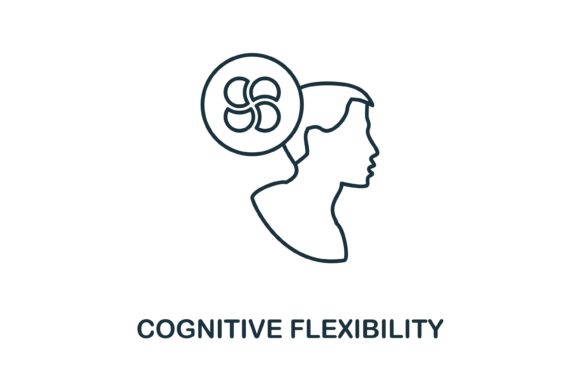
As a seasoned brand designer, I always look for graphic design assets that not only fit the visual needs of a project but also align with the personality and values of the local business. Recently, I came across the Cognitive Flexibility icon, an outline-style symbol from a cognitive skills collection. While it may sound abstract at first, this line-based icon has surprising versatility for real-world branding applications—especially in businesses that want to communicate growth, adaptability, and mindfulness.
A First Impression That Suggests Growth and Adaptability
The Cognitive Flexibility icon immediately gives off a sense of clarity and open-ended thinking. Its clean lines and minimalistic structure evoke a modern, intellectual mood without being overly formal or cold. It doesn’t scream luxury, but it does feel professional and approachable. The soft curves and balanced proportions suggest a brand that is thoughtful yet flexible—perfect for businesses like wellness boutiques, educational startups, eco-conscious shops, or even creative product labels.
This icon doesn’t lean into any one aesthetic too heavily, which makes it incredibly versatile. It can subtly support a premium brand identity when paired with the right colors and fonts, while still maintaining a friendly tone. If you're looking for something that feels both handmade and digital, it bridges that gap well—its simplicity suggests a digital asset, but its organic flow could be interpreted as artisanal or human-centered.
Practical Applications in Small Business Branding
One of the things I love about icons like the Cognitive Flexibility icon is how they can enhance a brand’s visual language. Here are some practical ways it can be used:
- Product Labels: For items that promote mental health, creativity, or personal development, this icon adds subtle meaning without overwhelming the viewer.
- Packaging Accents: Use it as a small decorative element on packaging for boutique brands or educational tools to reinforce a message of flexibility and innovation.
- Hero Graphics: On a social media post or website banner, it can serve as a focal point that introduces a campaign theme or new product launch.
- Thank-You Cards: Pair it with a handwritten font to create a warm, appreciative tone in customer appreciation materials.
- Stickers & Hang Tags: Ideal for adding a touch of personality to retail tags or branded stickers for a coffee shop or craft store.
- Menu Graphics: In a café or juice bar, this icon could represent seasonal specials or signature drinks that embody creativity and change.
- Flyers & Posters: When used in promotional materials, it helps guide the visual hierarchy by drawing attention to key messages like “New Season,” “Adaptive Solutions,” or “Creative Workshops.”
- Business Cards: A minimalist design element that supports a modern brand image without distracting from contact details.
Supporting Stronger Brand Presentation and Trust
Incorporating the Cognitive Flexibility icon into your brand visuals isn't just about aesthetics—it's about building trust and recognition. A consistent use of this icon across product labels, marketing visuals, and digital assets can help customers form a stronger emotional connection to your brand. Whether it's on a candle label representing mindfulness or a flyer promoting a community workshop, the icon adds a layer of intentionality that speaks volumes.
From a design perspective, this icon supports clearer visual hierarchy by helping to separate functional elements from decorative ones. It works especially well in editorial design or infographics where you need to highlight cognitive themes such as learning, adaptation, or problem-solving. In web design, it can be layered into banners or navigation menus to signal intuitive experiences or user-friendly features.
Where This Icon Shines Brightest
Some of the most effective uses of the Cognitive Flexibility icon include:
- Boutique Visuals: As part of a curated set of brand elements for a local skincare or wellness shop.
- Seasonal Campaigns: Especially when highlighting themes like change, growth, or adaptability during back-to-school or springtime promotions.
- Social Media Graphics: To add visual interest to Canva templates or custom designs for Instagram posts or Pinterest pins.
- Printable Inserts: In downloadable guides or care cards for handmade soap or self-care products.
- Product Mockups: To illustrate how your brand communicates cognitive benefits or educational value in mockups for investors or retailers.
When to Use It with Caution
While the Cognitive Flexibility icon is a strong addition to many branding projects, there are situations where it might not be the best fit:
- Formal Corporate Branding: If your client requires a more rigid, structured visual identity, this icon may come off as too whimsical.
- Very Small Labels: Due to its detail level, it may lose clarity when scaled down too much.
- Crowded Packaging: Adding this icon to a busy layout could dilute its impact and confuse the visual message.
- Ingredient-Heavy Layouts: Avoid using it in areas where readability is crucial, like nutritional facts or ingredient lists.
- Low-Contrast Backgrounds: The icon relies on contrast to remain legible, so it should be tested against different color schemes before finalizing.
- Luxury Minimalist Brands: Some ultra-minimalist brands prefer flat or single-line icons without the slight curvature or complexity this one carries.
Designer Notes: How to Evaluate and Implement This Icon
Before integrating the Cognitive Flexibility icon into a live branding project, I recommend these steps:
- Test on Real Packaging Mockups: See how it looks next to text and other brand elements in context.
- Check Black and White Usage: Ensure it remains clear and recognizable without color.
- Preview on Small Labels: Confirm that it scales well and doesn’t become distorted or illegible.
- Experiment with Brand Colors: Try it in multiple hues to find the version that resonates best with your target audience.
- Compare with Competitor Packaging: Make sure it stands out without being too similar to what others are already using.
- Review Print Quality: Since you’ll get an EPS file, verify how it holds up when printed at various sizes and resolutions.
- Inspect PNG Transparency: If you’re using it in digital formats, check if the transparent background meets your needs.
- Test Font Pairings: Try it beside serif, sans serif, script, handwritten, and display fonts to ensure harmony in typography.
- Confirm Commercial Licensing: Always double-check the license terms before using it for physical product sales or client work.
Why It Works for Handmade Businesses and Creative Entrepreneurs
Handmade sellers and creative entrepreneurs often need design assets that reflect authenticity and intentionality. The Cognitive Flexibility icon fits this bill perfectly. Its outline style allows for customization, making it ideal for SVG design or editable vector graphics. You can easily scale it for product mockups or tweak it to match your brand’s unique style.
For a boutique offering brain-boosting teas or a children’s toy brand focused on developmental play, this icon can visually communicate the core values of the business. It becomes more than just a logo—it tells a story of growth and curiosity.
Conclusion
Graphic design assets like the Cognitive Flexibility icon are powerful tools in the hands of a skilled brand designer. When used thoughtfully, they can elevate everything from product labels to social media campaigns. This particular icon brings a modern, intellectual edge to branding efforts and works well in a variety of settings—from the packaging of a local flower shop to the promotional material of a startup educational brand.
If you're working on a project that needs to convey adaptability, creativity, or cognitive value, give this icon a try. Just remember to test it thoroughly and consider how it aligns with your overall brand strategy. With the right application, it can become a cornerstone of your visual identity and help your small business stand out in a competitive market.